“By Rick Barber, Founder – LMNTL Custom Game & Furniture Manufacturing”
The Illusion of “Custom”
Over the past fifteen years in the game furniture and billiards world, I’ve watched the meaning of the word custom slowly lose its integrity.
Too many luxury furniture brands now use the term as marketing filler — offering imported, prefabricated pieces with minimal personalization and calling them bespoke. These items are built for speed and margin, not longevity. They look flawless in photographs but often fail in the real world: cracked seams, warped surfaces, peeling finishes, and hardware that loosens after a few months of use.
When that happens, the disappointment doesn’t fall on the manufacturer. It falls on the designer — the professional who trusted the product and recommended it to the client.
I’ve been the one called to repair those pieces — “custom” pool tables that cost tens of thousands of dollars but come apart like flat-pack furniture. It’s painful to see a homeowner lose faith and a designer’s reputation take the hit, all because the product was never truly custom in the first place.
How the Middleman Replaced the Maker
Behind the illusion of custom furniture lies a hidden chain. Many big “custom” brands don’t actually build anything. They broker furniture — outsourcing to overseas factories where materials and joinery are minimized to protect profit margins.
The result? A disconnect between design intent and physical execution.
No one along that chain understands wood movement, structural load, or finish chemistry — yet they still stamp it luxury.
That disconnect reveals itself in uneven finishes, veneer lift, and the hollow sound of a table that was never meant to last.
Why Designers Are Shifting Back to True Craftsmanship
Today, interior designers face more scrutiny than ever. Their clients are informed, social media exposes every project, and budgets demand accountability. A space that looks great but doesn’t endure isn’t design — it’s staging.
That’s why the best designers are returning to true craftsmanship — partnering with “certified artisans” and legitimate fabricators who care not only about how something looks, but how it performs and lasts.
A designer’s credibility depends on the integrity of every piece they specify.
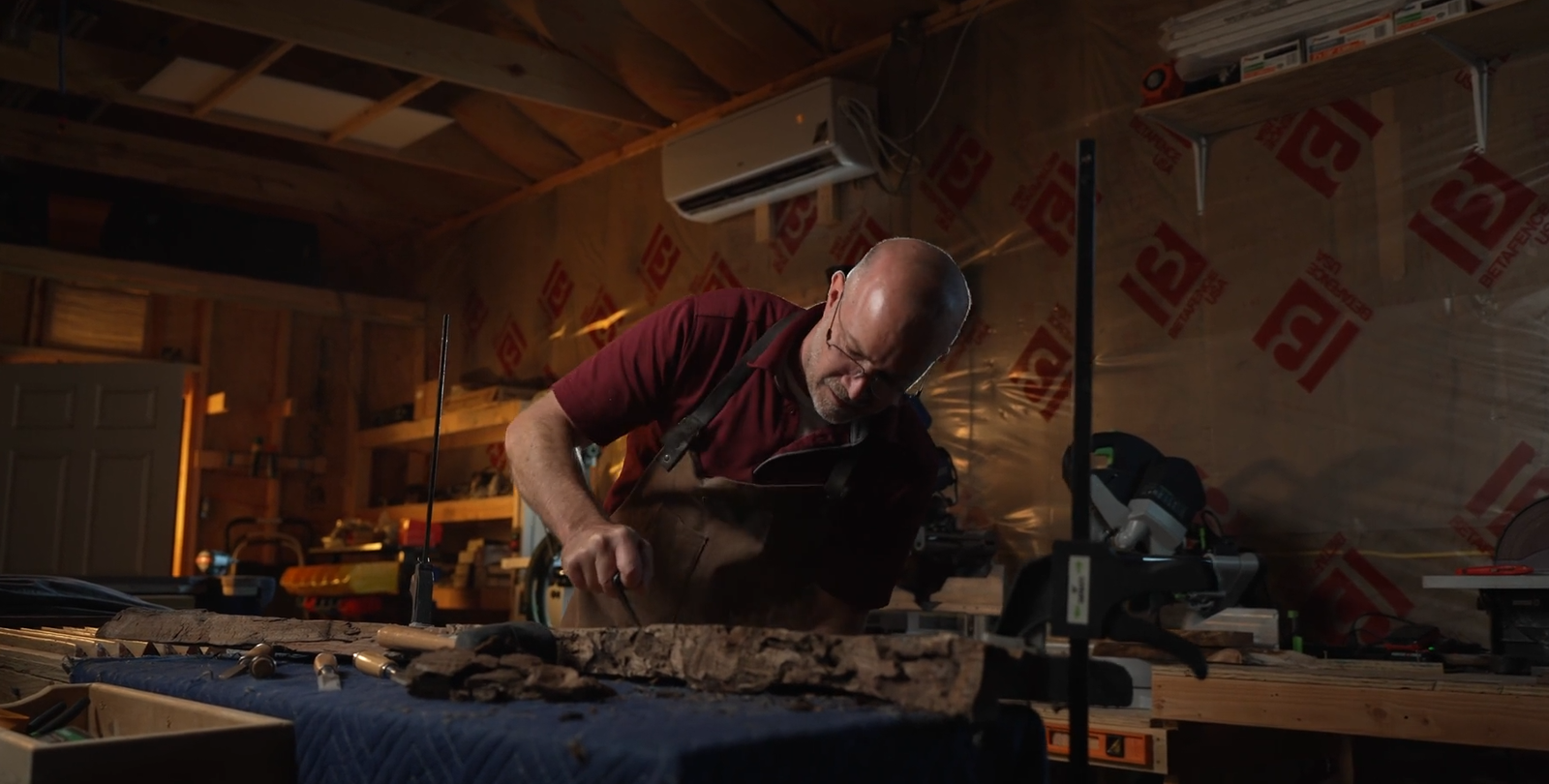
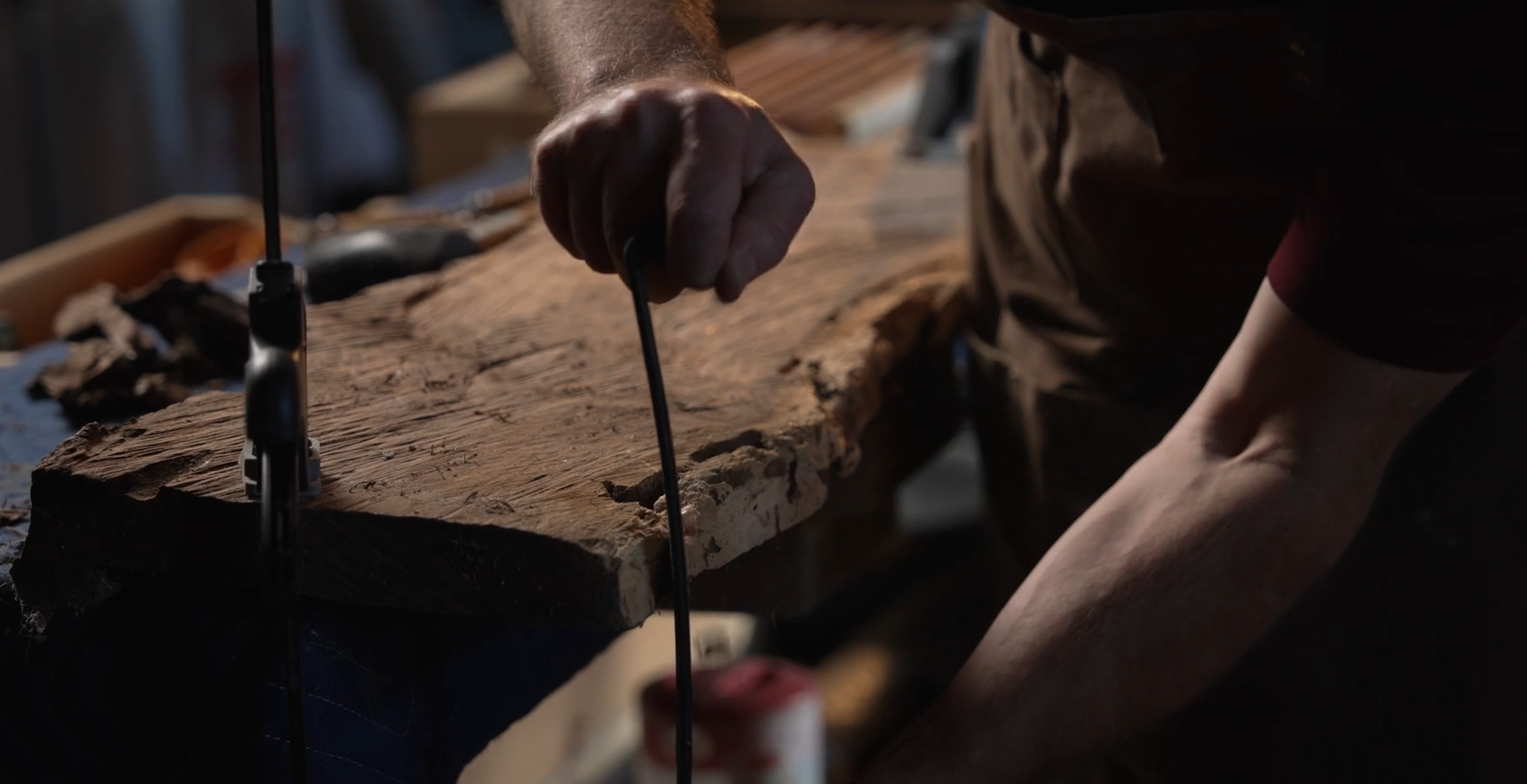
That means collaborating with builders who reinforce joints, finish both sides of a slab, hand-fit hardware, and use kiln-dried hardwoods that will remain stable for decades.
Those details may never make it to Instagram — but they’re the difference between a six-month showpiece and a lifelong heirloom.
Designers and Makers: A Relationship of Integrity
When designers collaborate directly with skilled builders, something powerful happens: they regain control.
Instead of being limited by factory presets, they can shape materials, finishes, and proportions to match their exact vision. They sign off on samples crafted by human hands, not machine defaults.
This partnership goes beyond aesthetics. It’s built on mutual respect — the designer brings the vision, the maker brings the craftsmanship, and together they protect each other’s names.
At LMNTL, “our story and values” define this relationship. Every table, every join, every polish is an exchange of creativity and trust between designer and maker.
Where the Industry Is Heading
As automation and AI design tools become more mainstream, authentic craftsmanship will emerge as the ultimate form of luxury.
High-end clients will continue to crave uniqueness — and they’ll start asking the most important question:
“Who actually built this?”
That’s where genuine makers will shine again. Designers who’ve already built trusted relationships with true artisans will be the ones leading the next generation of timeless, human-centered design.
At LMNTL, “our custom-designed tables” reflect what belief drives everything we do. We create pieces that elevate a designer’s vision and protect their reputation — furniture that feels as good a decade later as it did the day it was installed.
“Because the best design isn’t just what you see — it’s what still feels right years after the lights have dimmed.”